

Exploring the cultural dimensions of gambling across different societies
The Historical Context of Gambling
Gambling has been an integral part of human culture for centuries, with its roots tracing back to ancient civilizations. From the dice used in Mesopotamia to the betting games of the Roman Empire, the act of gambling has evolved but remained a common thread in various societies. Each culture has developed its own unique forms of gambling, often reflecting its values, beliefs, and social structures. For those looking to explore modern options, Pg9 Casino offers an exciting online experience.

In many cultures, gambling was not merely a pastime but also a way to engage in social interactions and community bonding. For instance, in ancient China, games of chance were often associated with festivals and celebrations, highlighting the communal aspect of gambling. This historical perspective illustrates how deeply ingrained gambling is in human society, shaping cultural identities across generations.
Cultural Perceptions of Gambling
The perception of gambling varies significantly across different cultures. In some societies, gambling is viewed as a form of entertainment and a legitimate means of income, while in others, it carries negative connotations associated with vice and moral decay. For example, in Western cultures, casinos and lotteries are widely accepted, whereas in many Asian societies, gambling may be frowned upon or heavily regulated due to its potential social consequences.
This dichotomy often stems from historical experiences and societal values. In cultures where gambling is celebrated, it can be integrated into social rituals, whereas in others, it may be linked to addiction and financial ruin. Understanding these cultural perceptions is crucial for addressing the multifaceted nature of gambling and its impact on society.
The Role of Religion in Gambling
Religion plays a significant role in shaping attitudes toward gambling. In many cultures, religious beliefs dictate what is considered acceptable behavior, influencing the acceptance or prohibition of gambling activities. For instance, in Islam, gambling is generally prohibited, with teachings emphasizing the importance of financial ethics and social responsibility. Conversely, some religions may tolerate or even encourage gambling as a form of recreation.
The intersection of religion and gambling can lead to varied legal frameworks and social norms. In regions where religious teachings oppose gambling, communities often develop alternative forms of entertainment. Understanding these religious contexts helps to clarify the legal and moral dimensions that surround gambling in different societies.
Gambling as a Social Activity
In many cultures, gambling is not just about winning money; it serves as a social activity that fosters relationships and community ties. Traditional games, like poker in the United States or Mahjong in China, create opportunities for people to gather, share experiences, and strengthen bonds. This social dimension can often overshadow the financial aspects, transforming gambling into a communal event.
However, this social acceptance can also lead to challenges, especially when gambling becomes a compulsive behavior. The fine line between healthy social gambling and problematic gambling behavior can vary widely across cultures, making it essential to recognize local contexts when addressing the issues related to gambling.
Modern Online Gambling and Cultural Shift
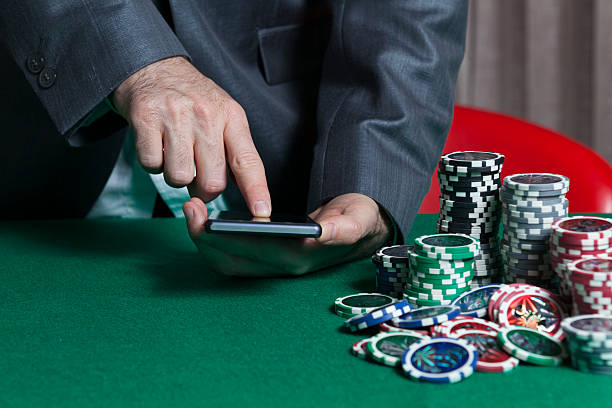
The rise of online gambling platforms has significantly altered the landscape of gambling across cultures. As technology advances, more individuals have access to gambling activities regardless of geographic location. This shift raises questions about the cultural implications of online gambling, especially in societies where traditional gambling is restricted or taboo.
Online casinos and gaming platforms provide players with a plethora of options, creating an inclusive environment for gamblers worldwide. While this democratization of gambling can foster enjoyment and accessibility, it also necessitates a deeper understanding of how various cultures engage with these modern platforms. The transition from physical to virtual gambling introduces new challenges and opportunities that are shaping the future of gambling culture.
