

The journey of gambling a historical perspective on its evolution
The Origins of Gambling
The history of gambling dates back thousands of years, with some of the earliest evidence found in ancient civilizations such as Mesopotamia and China. Archaeological discoveries reveal that rudimentary forms of games of chance were prevalent, involving dice made from animal bones and betting on the outcomes. These early practices not only highlight the human fascination with luck and risk but also indicate a societal acceptance of gambling as a form of entertainment. Interestingly, many people often seek out the top 20 online casinos uk for a modern gaming experience.

As societies evolved, so did the methods of gambling. In ancient Rome, for instance, the popularity of betting on gladiatorial games showcased a more organized approach to wagering. These developments laid the groundwork for more sophisticated gambling activities, paving the way for the emergence of casinos and structured games that would follow in subsequent centuries.
The Rise of Casino Culture
During the 17th and 18th centuries, gambling began to take on a more formalized structure, leading to the establishment of the first casinos in Europe. The Casino di Venezia, opened in Italy in 1638, is often regarded as the world’s oldest casino. It served as a social hub where individuals could gather to engage in various games, from card games to roulette. This shift signified not only a transition in gambling practices but also an increasing acceptance of gaming as a legitimate form of social interaction.
The popularity of gambling further spread across Europe, particularly in France, where the invention of games such as baccarat and chemin de fer contributed to the burgeoning casino culture. This period marked the beginning of the association between gambling and luxury, attracting the elite and fostering a sense of glamour that persists in the industry today.
Gambling in the Modern Era
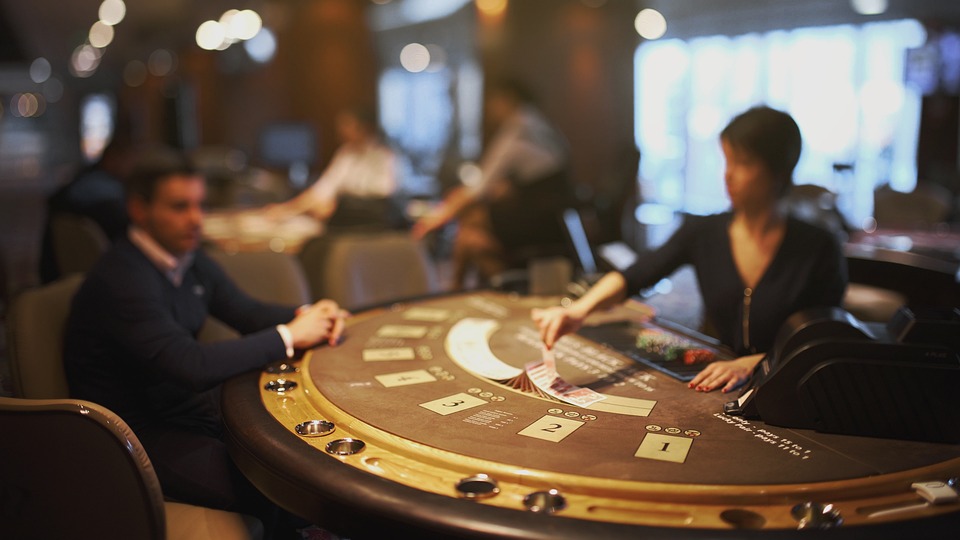
The 20th century witnessed significant transformations in gambling, primarily due to technological advancements and changing societal attitudes. The introduction of slot machines in the early 1900s revolutionized the gaming experience, making it accessible to a broader audience. Additionally, the establishment of Las Vegas as a gambling capital in the mid-20th century brought about a seismic shift in the perception of gambling, integrating it into mainstream entertainment.
As the gambling industry continued to grow, regulatory frameworks were put in place to address issues related to addiction and fraud. Governments around the world recognized the potential economic benefits of legalized gambling, leading to a proliferation of casinos and betting establishments, particularly in the United States and parts of Europe.
The Influence of Celebrity Gambling Stories
In recent years, celebrity gambling stories have captured public attention, adding a new layer of intrigue to the gambling landscape. High-profile figures, from actors to professional athletes, have openly shared their gambling experiences, influencing perceptions and behaviors surrounding the activity. These narratives not only serve to glamorize gambling but also shed light on its risks and consequences.
As celebrities openly engage with gambling, they often highlight both the thrill and the pitfalls, creating a complex dialogue around the practice. The interplay between celebrity culture and gambling is evident in various forms of media, reinforcing the notion that gambling is not just a pastime but also an integral aspect of contemporary society.
Understanding Gambling Today
As we explore the journey of gambling through history, it’s essential to recognize the ongoing evolution of this multifaceted practice. Today, the industry continues to expand with the rise of online gambling platforms and mobile applications, providing unprecedented access to games and betting opportunities. This digital transformation is reshaping the landscape of gambling, making it more accessible than ever before.
As we reflect on the historical perspective of gambling, it becomes clear that it has always been intertwined with human nature. From ancient rituals to modern casinos, gambling remains a complex interaction of chance, skill, and social dynamics, continually adapting to the world around it.
